
Dallas · ownership
Danyel Surrency Jones
Partnering to Build Systems that Create Ownership, Wealth, and Legacy
By Vonna Matthews · July 9, 2026 · 7 min read
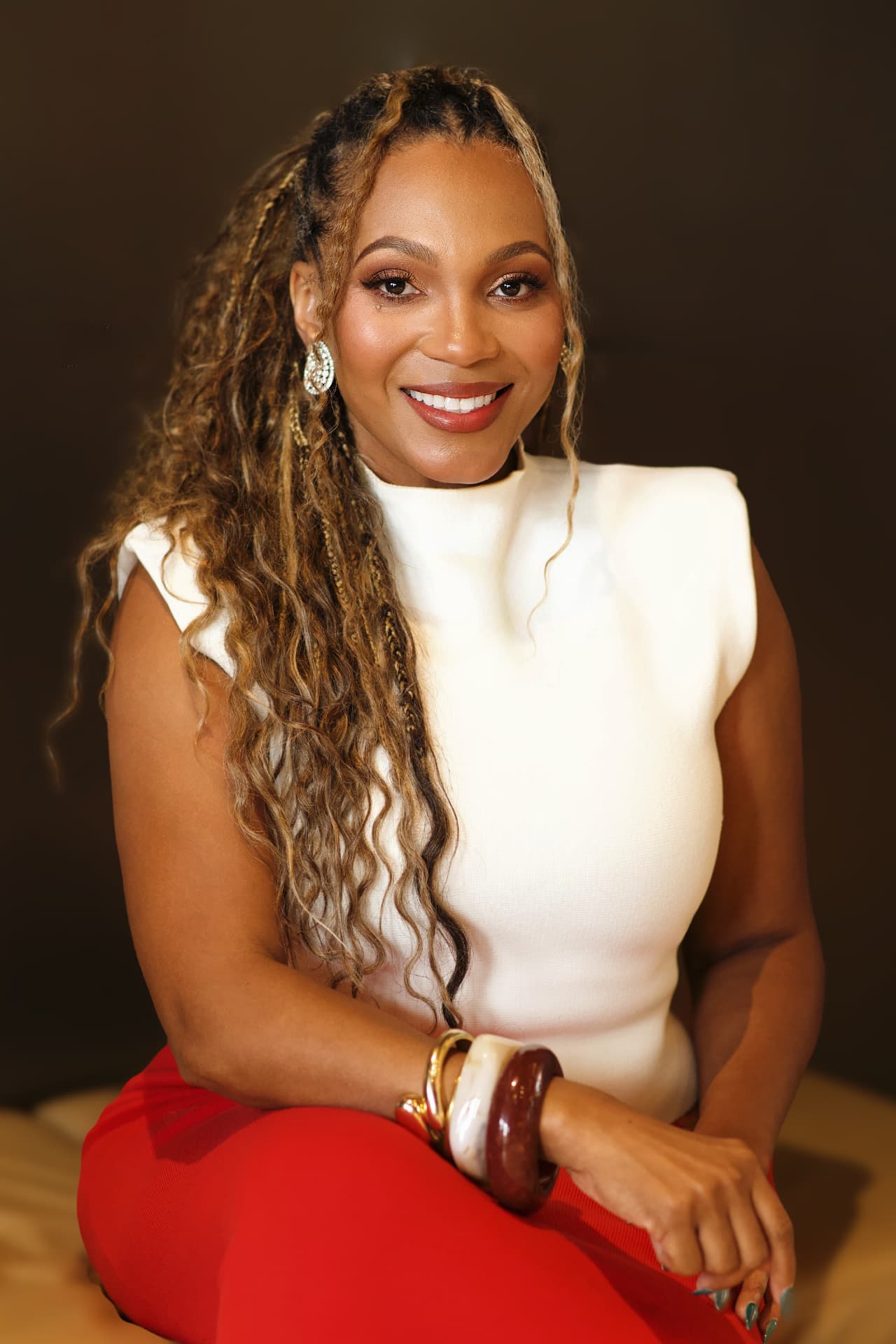
Photography provided by: Steven D. Hill Photography
From Fortune 100 companies to global startups, Danyel Surrency Jones has spent nearly three decades designing strategies that scale. Today, through ASSET-U Enterprise Holdings and DSJ Strategy Group, she's on a mission to help more women build ownership, transform opportunity into wealth, and create legacies that last.
CEOMOM exists to help mothers build brands and lead lasting legacies, while ASSET-U is helping women build ownership. Why do you believe ownership is the next conversation women need to have, and how do our organizations complement one another in making that possible?
I believe women are finally ready to acknowledge something important: we do not have an ambition problem, and we do not necessarily have an income problem. We have an ownership problem.
For decades, women have been taught how to earn, perform, execute, and support. We have become exceptional at creating value inside systems that someone else owns. Ownership requires us to have a different conversation. We must begin asking: What do I control? What continues to appreciate beyond my direct labor? What can I transfer to the next generation?
That is why CEOMOM and ASSET-U Enterprise Holdings complement one another so naturally. CEOMOM helps women discover their voices, builds influential brands, educates women, and equips them to lead with purpose. Through ASSET-U Enterprise Holdings, we provide both the education and the execution vehicles women need to convert that influence into ownership and power.
Our ecosystem currently includes three key platforms. ASSET-U Ventures creates visibility, investment, and ownership opportunities. The ASSET-U Symposium provides access to education, relationships, and the strategic intelligence women need to build wealth. House of Her Sports serves as our brand partnership and product development house, where brands, intellectual property, products, and commercial partnerships are developed.
As we launch CEOMOM Dallas, we're inviting women into a community built on collaboration rather than competition. What role do you believe strategic partnerships and intentional communities play in helping women accelerate opportunities and build wealth together?
I believe we have misunderstood networking. Too often, women collect contacts instead of building ecosystems, I am so guilty. But, I know, a room full of business cards does not create wealth. The right "reciprocal" relationships do.
The women who build the next generation of wealth will not necessarily be the smartest people in every room. They will be the women who know how to connect founders, investors, operators, creators, and institutions around shared value. They will understand how to connect ideas to capital, brands to opportunities, and influence to ownership.
Owning 100% of something that never scales is not more powerful than owning 20 percent of a $1B outcome.
Competition is often rooted in scarcity, but partnership is rooted in ownership. One of the most important mindset shifts I want women to make is understanding that we have to become more comfortable with collaboration and sharing ownership when the partnership creates significantly greater value.
Ownership requires collaboration. Scale requires collaboration. Capital requires collaboration. No one builds a truly valuable enterprise alone.
That is why CEOMOM Dallas and ASSET-U Enterprise Holdings are bringing our ecosystems together. We are not creating another networking organization. We are building an intentional community where women can learn together, build together, invest together, and own together.
For too long, women have prepared the documents, executed the meetings, developed the strategies, and watched other people put capital into the opportunities. It is time for us to become the people investing the capital, owning the intellectual property, developing the commercial real estate, acquiring the teams, and participating in the upside.
That is how women accelerate opportunity. That is how we increase our collective power. And that is how we create generational wealth.
Lessons from Fortune 100 Companies to Help Women Create Generational Impact
- 01
Passion is not a strategy
One of the biggest myths women have been sold is that passion and proximity are enough. They are not. Having passion for the mission, showing up consistently, working harder than everyone else, or being the smartest person in the room may help you start a business, but those things alone will not help you scale one.
- 02
Infrastructure creates scale
Fortune 100 companies do not scale because one person gives 200 percent. They scale because they build infrastructure. They hire A, B, and C players, assign clearly defined roles, establish repeatable systems, and create direct financial measurements that determine whether those systems are working. They then use those measurements to improve performance and make better decisions. That is how enterprise value is created.
- 03
Do not become the business
Too many women are building businesses that depend entirely on them. They are the CEO, salesperson, marketer, finance department, operations team, and customer service representative. If the business stops when you stop, you have not built a scalable business. You have made yourself the CEO of another job.
- 04
Scalable beats irreplaceable
The goal should never be to become irreplaceable. The goal is to become scalable. That requires documented processes, defined roles, measurable outcomes, access to capital, effective leadership, and systems that allow the organization to create value without depending on the founder's constant presence.
- 05
Legacy is measured in outcomes
Legacy is no longer measured by how hard you worked. It is measured by whether the outcomes you created can be sustained when you are no longer the person doing all the work.
Keep going
Read the full article in the magazine
Flip through the issue exactly as it appears in print — photography, layout and all.
Open the issue